

Military Thrillers That Respect the Cost of War

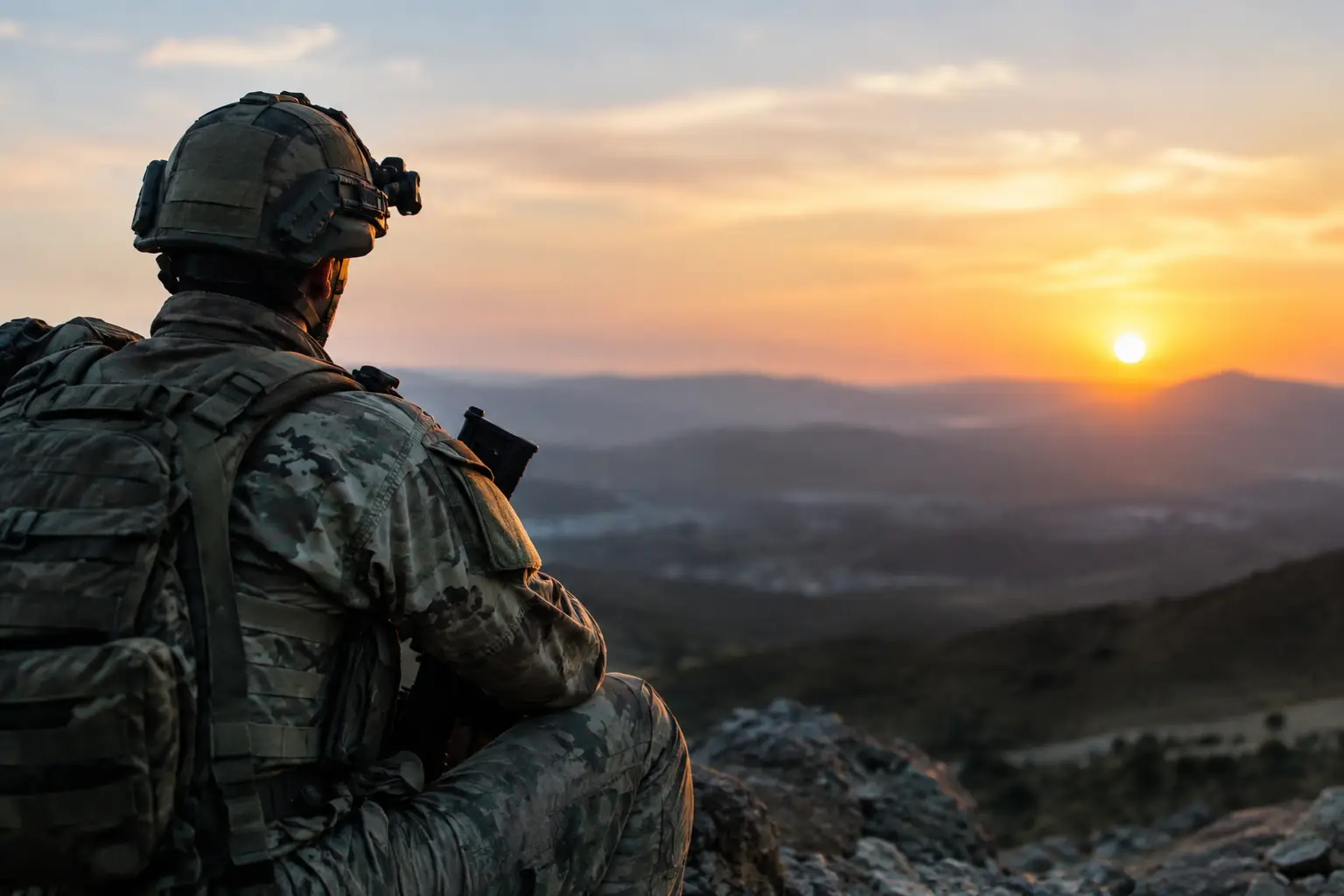
A helicopter coming apart under fire, a patrol pinned in a narrow street, a contractor realizing the man beside him is not coming home – military thrillers can put a reader inside that pressure fast. But adrenaline is the easy part. The better stories understand that a firefight does not end when the shooting stops. It follows people into the quiet, into their families, into the choices they make when nobody is watching.
Readers who know service, policing, security work, or the long wake of trauma can spot false notes quickly. They know weapons are tools, not magic wands. They know competent people still make bad calls under stress. Most of all, they know violence has a bill to collect. A thriller earns its stakes when it is willing to show the bill.
What Makes Military Thrillers Feel True
Authenticity is not a catalog of gear, acronyms, and caliber specifications. Those details can give a scene texture, but they cannot carry it. A convincing military thriller begins with people operating under limits: incomplete intelligence, bad weather, political restrictions, exhaustion, divided loyalties, and the hard fact that every plan starts breaking the moment it meets reality.
The strongest protagonists are capable without being invincible. They assess a room, notice what others miss, and act when hesitation will get someone hurt. Yet competence should create pressure, not erase it. A seasoned operator understands the stakes better than anyone else. That knowledge can make the choice to move forward more difficult, not less.
Real tension also comes from consequences. A mission can succeed tactically and still leave a moral, legal, or personal mess behind. A captured target may be more useful alive than dead. A clean shot may not be clean after the investigation starts. The person who gives the order may have to live with the names attached to it. That is where action fiction becomes more than noise.
The Difference Between Detail and Experience
Readers do not need a technical manual disguised as a novel. Too much jargon slows the story and can turn serious work into costume jewelry. On the other hand, a story that ignores basic realities of movement, communications, weapons, command, and medical response loses trust just as quickly.
The balance is simple, though not easy: use detail when it changes the decision. If a weapon malfunctions, show what that forces the character to do next. If communications fail, make the isolation matter. If a team is short on sleep, let that fatigue sharpen tempers, cloud judgment, or turn a routine task into a dangerous one. Operational knowledge should serve the story, not interrupt it.
Experience also shows up in what a writer leaves out. Professionals often communicate with a glance, a hand signal, or a sentence stripped down to its purpose. They may joke at the worst possible moment because humor is one way people keep fear from taking over. They do not need to announce that they are brave. The work reveals it.
Why the Best Military Thrillers Carry Emotional Weight
War changes the body, but it also changes the way a person moves through ordinary life. A character can come home and still be mentally scanning exits, measuring crowds, or waking to sounds no one else hears. That does not make every veteran broken, and it should not be used as a shortcut to make a character seem dark or dangerous. It is simply part of the terrain some people cross.
Writing trauma honestly requires restraint. PTSD is not a plot device to be switched on when a scene needs drama and switched off when the hero needs to perform. Recovery is not a single breakthrough, either. It can involve treatment, anger, distance, relapse, humor, family strain, work, and the daily discipline of choosing to stay engaged with life.
This is one reason the best military fiction often has room for loyalty. Teams form bonds that do not fit neatly into civilian language. A partner who understands without asking, a dog that stays close when words fail, or a spouse who refuses to let silence become permanent can carry as much weight as a firefight. These relationships are not soft additions to an action story. They are often the reason the characters keep going.
For readers with lived experience, that recognition matters. For readers without it, it offers a clearer view of the human cost behind the headlines. Neither group needs a lecture. They need characters treated with enough respect to feel like people rather than symbols.
The Moral Ground Is Never Completely Clean
A weaker thriller divides the world into pure heroes and disposable villains. Real conflict rarely offers that convenience. There are bad actors who deserve to be stopped, certainly. There are also allies with competing agendas, officials protecting careers, civilians caught in the wrong place, and good people making choices they will regret.
That ambiguity does not mean a story must lose its moral center. It means the center has to be earned. A character can believe in the mission and still question the methods. They can use force when necessary while recognizing that necessary does not mean painless. They can be loyal to the people beside them without blindly trusting every institution above them.
Legal and investigative consequences add another layer of credibility. After an operation, there may be reports, evidence, interviews, political pressure, and someone looking for a scapegoat. The action on the ground is only one battlefield. A character who survives the mission may still have to defend every second of it afterward.
That tension has long been part of the appeal of stories forged from real experiences. In the Phil Swain novels by Jon T. Harris, operational pressure is not separated from the personal and legal weight that comes after it. The job may demand decisive action, but the consequences do not disappear with the final round.
What Readers Should Demand From the Genre
Military thrillers do not need to be grim at every turn. They can be fast, entertaining, and built for a late-night reading sprint. A car chase, a raid, a rescue, or a hard-won escape belongs in the genre. The question is whether the action has a purpose beyond making the page louder.
Look for a story that gives its characters real problems to solve rather than convenient targets to eliminate. Look for opponents who are credible, not cartoonish. Look for people who prepare, adapt, fail, and pay attention. When a character survives, it should be because skill, teamwork, luck, and hard choices came together – not because the plot made bullets miss.
It also depends on what you want from the book. Some readers want an international conspiracy with a relentless pace. Others want a tighter story about a veteran, cop, handler, or contractor trying to hold a damaged life together. Both can work. The common standard is honesty. A novel can be fictional without being careless about the realities it borrows.
Action Means More When Something Is at Stake
The enduring power of this genre is not the explosion, the rifle, or the foreign road at midnight. It is the moment a character understands the cost, looks at the people depending on them, and moves anyway. Courage is not the absence of fear. It is disciplined action with fear present and consequences waiting.
That is the kind of story readers carry with them. Not because it pretends war is clean or recovery is simple, but because it refuses to look away from either. Find the military thrillers that respect the work, the sacrifice, and the lives that continue after the last page turns.