

What Makes K9 Handler Thriller Novels Feel Real?

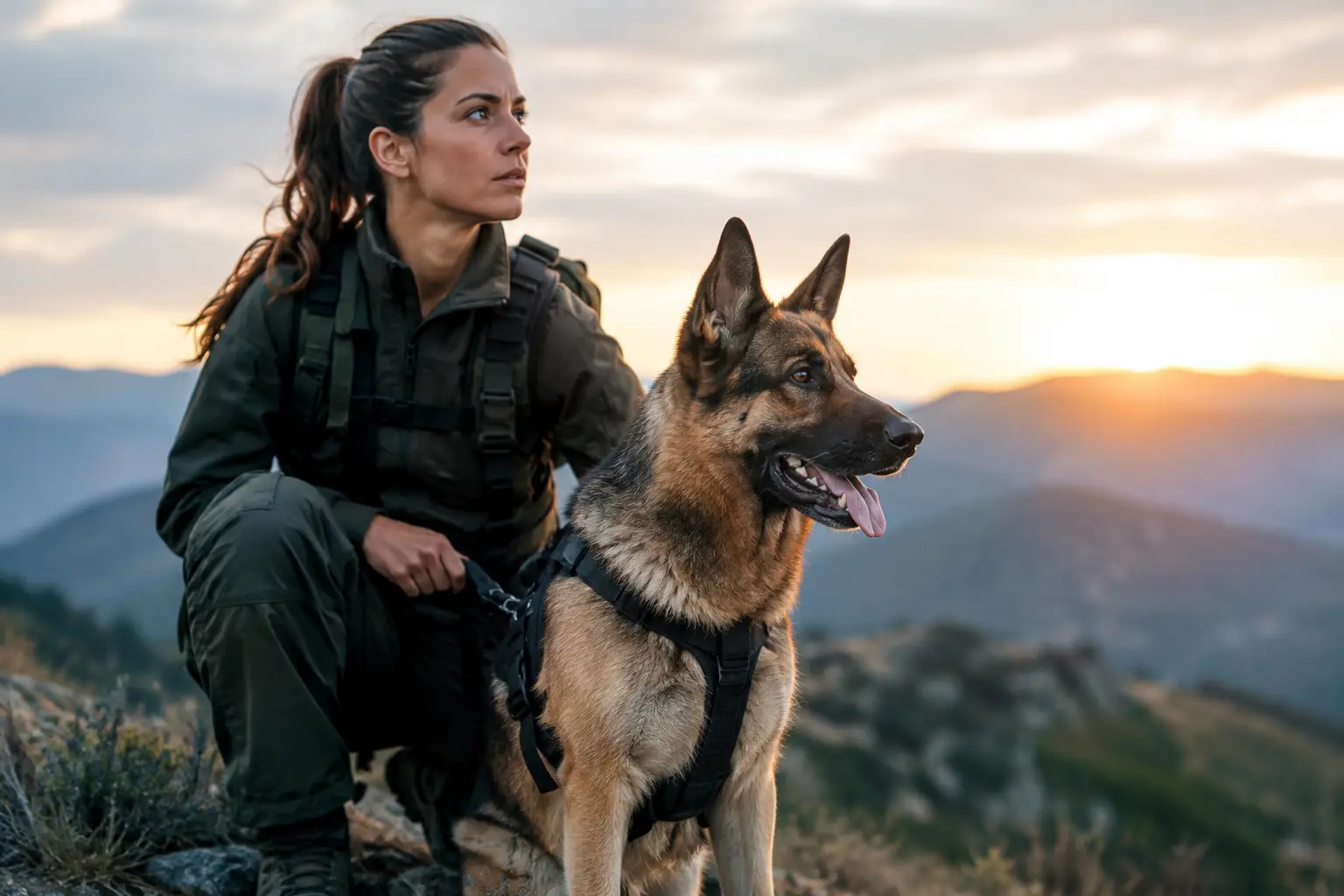
A K9 team does not enter a dark building as a man and a dog looking for a fight. They enter with a job to do, incomplete information, and a bond built through repetition, correction, trust, and risk. That is the ground where the best K9 handler thriller novels find their force. The dog may bring speed, nose work, and controlled aggression, but the handler carries the harder burden: reading the scene, reading the dog, and living with the decisions made when the stakes go bad.
Readers who know police work, military service, or the cost of public safety can spot a fake quickly. A working dog is not a furry sidekick with plot armor. Neither is a handler a lone-wolf hero who can send a dog into danger without consequence. Credible K9 fiction understands that every deployment has a purpose, every command has weight, and every victory can leave a mark.
Why K9 Handler Thriller Novels Hit Different
A good thriller needs pressure. A credible K9 story gives that pressure a heartbeat, four legs, and a relationship that cannot be replaced when the mission turns ugly.
The handler cannot simply walk away from the dog after a bad call. He or she is responsible for the animal’s conditioning, welfare, safety, and confidence. That responsibility changes the emotional math of every search, pursuit, vehicle stop, raid, or recovery operation. The handler may accept personal risk as part of the job. Sending the dog forward is different. It is an order made by someone who knows exactly what may be waiting on the other side of a door.
That creates tension no explosion can manufacture. A gunfight is immediate. A K9 deployment begins before contact, in the handler’s calculation of terrain, scent, weather, suspects, civilians, backup, and the dog’s behavior. The dog may sense what the human cannot see. The human must decide what that signal means.
The strongest stories also make room for the quiet work. Kennel routines. Training scars. The worn-out drive home after shift. A dog that is all business on deployment and all trust at home. These moments are not soft padding around the action. They explain what is at risk when the radio cracks to life.
Authenticity Is More Than a Bite Scene
Hollywood has trained audiences to expect a dramatic command followed by an instant takedown. Reality is more disciplined and less predictable. Dogs can be exceptional at tracking, area searches, apprehension, detection, and building searches, depending on their training and assignment. They are not machines. Heat, fatigue, distractions, poor scent conditions, handler error, and a changing environment all matter.
That uncertainty is where a thriller earns its realism. The dog may indicate near a vehicle, but the handler still has to interpret the alert, protect the scene, and account for what follows. A track may move across pavement, through a crowded neighborhood, or into terrain that compromises the dog’s scent picture. A search may involve a frightened child, an armed fugitive, or a family that does not understand why police are at their door.
Competence on the page does not mean perfection. It means characters know their craft well enough to recognize when circumstances have gone sideways. A believable handler does not ignore a dog’s change in behavior because the plot needs a clean answer. He adjusts. He calls for resources. He considers the legal and tactical consequences. Sometimes he makes the wrong call anyway, because good people working under pressure can still get it wrong.
That distinction matters to readers who have worn the uniform or stood beside someone who has. Real service is not a parade of flawless decisions. It is the work of making the best decision available, then carrying the result.
The Dog Is a Partner, Not a Prop
A dog in a thriller should have an operational role and a recognizable presence. Those are not the same thing as turning the animal into a cartoon character.
Working dogs have drive, patterns, strengths, and limits. One may be intense and forward. Another may be deliberate, unusually sensitive to its handler’s stress, or difficult around a particular environment. Those traits should influence scenes in practical ways. The handler knows the difference between a dog that is keyed up and a dog that is telling him something.
The relationship should also resist easy sentiment. A handler loves the dog, but love does not remove discipline. Training happens when nobody is watching. Care continues after a deployment. The handler may clean blood from a paw, sit through a veterinary exam, or wrestle with retirement when the dog can no longer safely work. Those moments carry more truth than a dozen speeches about loyalty.
For many veterans, officers, and first responders, that bond is recognizable. The animal does not care about rank, reputation, or the version of the story told afterward. The dog knows the handler’s voice, rhythm, and state of mind. In a life shaped by trauma or isolation, that kind of trust can be both a lifeline and a responsibility.
What Readers Should Look For in K9 Thrillers
The best K9 handler thriller novels do not need a technical manual’s worth of jargon. In fact, too much terminology can bury the story. What readers should feel is the logic behind the action.
Does the handler assess a scene before making a deployment? Does the dog have a defined capability rather than doing every possible job? Are other officers, medics, dispatchers, investigators, and family members treated as people rather than furniture in the background? Does force carry legal, physical, and emotional aftermath?
Those questions separate a credible police or military K9 thriller from a generic action story that happens to include a dog. The difference is especially clear after violence. In shallow fiction, the scene ends when the suspect is down. In grounded fiction, the scene keeps moving. There may be a report, an investigation, an injured officer, a rattled dog, a prosecutor evaluating facts, or a handler replaying a command long after the shift is over.
That aftermath does not slow the story. It gives the next decision teeth.
The Human Cost Makes the Story Last
Action gets a reader through the door. Consequence is what stays with them.
A K9 handler may be carrying the same things many service professionals carry: accumulated stress, grief over partners lost, marriages strained by shift work, injuries that change a career, and the uneasy transition from operational life to whatever comes next. The dog cannot solve those wounds. But the relationship can expose them with uncommon honesty.
That is why stories rooted in working-dog culture can speak beyond the tactical audience. Civilians may come for the pursuit and stay for the relationship. Those who have served may recognize the unspoken parts: the gallows humor, the exhaustion, the refusal to ask for help until there is no other choice, and the hard work of rebuilding when the mission is over.
Jon T. Harris’s memoir A Year Behind the Leash approaches that terrain with the respect it requires, showing that a war dog’s story is never only about deployment. It is also about survival, identity, and finding a way forward after the uniform comes off.
A Credible K9 Story Respects the Bond
The next time a thriller puts a handler and dog on the trail, look past the command and the chase. Pay attention to what the handler notices, what the dog is asked to risk, and what both of them carry after the scene is cleared. The stories worth remembering understand that loyalty is not decoration. It is a promise tested under pressure.