

Can War Dogs Aid Veterans After Combat Service?

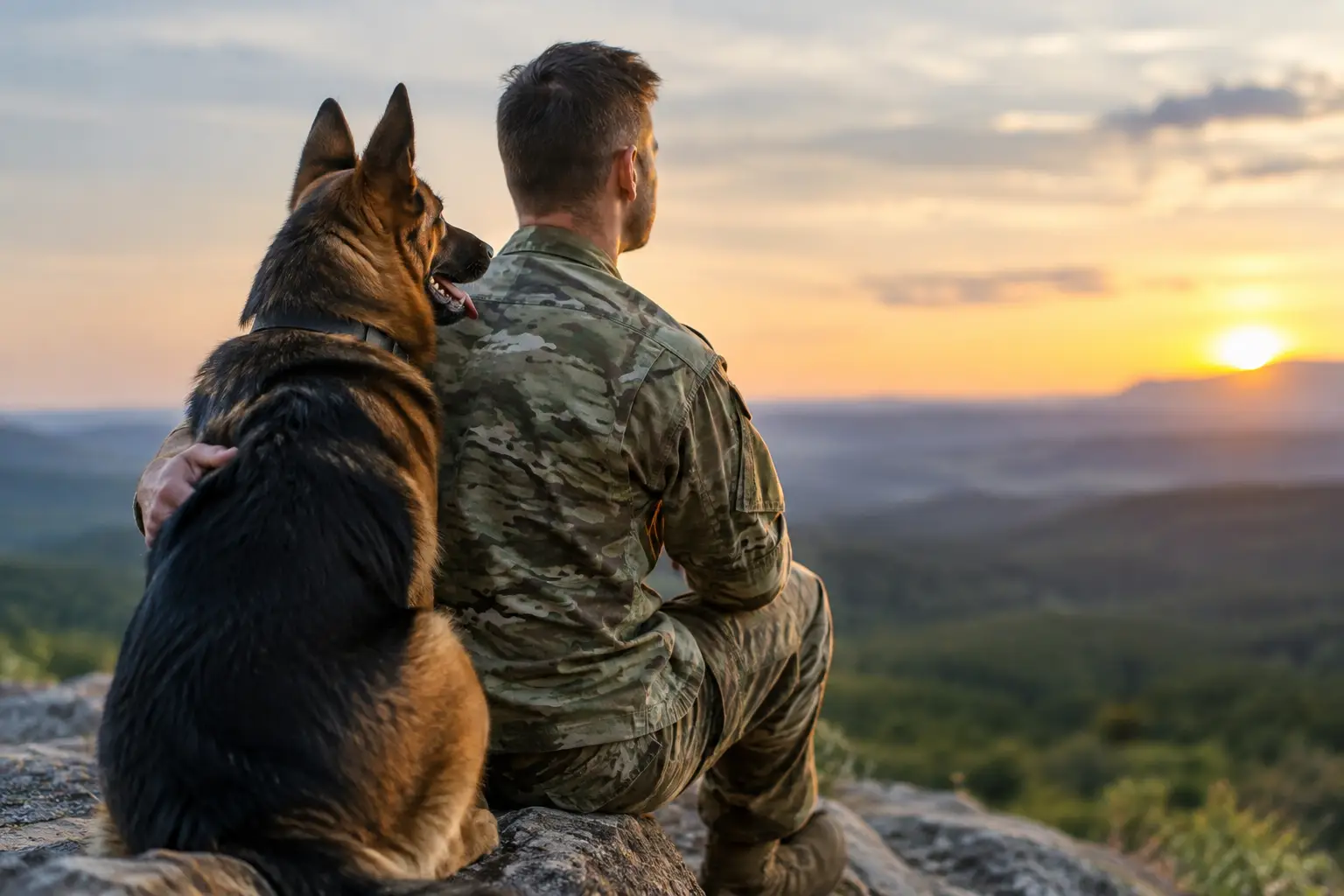
A dog does not ask a veteran to explain the worst day of their life. It notices the pacing, the shut-down silence, the restless night, and the moment a hand reaches for a leash instead of a bottle. So, can war dogs aid veterans? Often, yes. But the honest answer has more weight than a feel-good photograph. The right dog can support recovery, routine, safety, and connection. It cannot replace treatment, erase trauma, or carry the whole burden of a life changed by service.
For many veterans, a dog is not a cure. It is a steady presence that makes the next hard thing possible.
Can War Dogs Aid Veterans With PTSD?
They can, especially when the veteran and dog are matched for the right reasons. That distinction matters. A military working dog, a retired contract dog, a trained psychiatric service dog, and a family pet can all play different roles. Lumping them together may make for a good headline, but it does not serve veterans or dogs well.
Veterans living with post-traumatic stress may deal with hypervigilance, isolation, disrupted sleep, irritability, panic, depression, and the strange discomfort of feeling detached from the people they love. A dog can interrupt that isolation. Dogs need food, movement, structure, and attention. Those demands can bring a person back into the daylight when motivation has gone missing.
That practical accountability is no small thing. Getting up to feed a dog is still getting up. Walking a dog means crossing the threshold, feeling weather, seeing neighbors, and re-entering a world that may have felt unsafe or foreign. The dog does not judge whether the walk is two miles or two blocks. It just needs its person to show up.
A properly trained service dog may provide more targeted help. Depending on its training and the veteran’s needs, the dog may wake someone from a nightmare, create space in a crowded setting, interrupt escalating anxiety, retrieve medication, or lead its handler toward an exit. Those tasks are not tricks. They are trained responses intended to mitigate a disability.
Still, the dog is not the treatment plan. Evidence-based trauma therapy, medical care when appropriate, peer support, sleep work, family involvement, and honest conversations remain part of the fight. A veteran deserves more than being handed a leash and told to heal.
The Bond Is Real, but It Is Not Automatic
People who have worked beside dogs in patrol, military, or security environments understand the bond is forged through repetition and trust. The handler learns the dog’s posture, focus, drive, and stress signals. The dog learns its handler’s voice, pace, and expectations. In high-risk work, that relationship can be intensely personal because both members of the team depend on the other to do the job right.
That history can make a retired working dog meaningful for a veteran, particularly one who misses the clear mission, competence, and loyalty of a former life. But familiarity with working dogs does not automatically mean a veteran should adopt one. Some retired military and law enforcement dogs have high drive, medical needs, behavioral triggers, or a lifetime of conditioning that makes ordinary home life complicated. They deserve capable placement, not sentimental placement.
The same caution applies to a veteran seeking a PTSD service dog. A dog trained for public access and disability-related tasks requires serious time, consistency, and handling skill. There are costs, appointments, grooming, exercise, travel considerations, housing questions, and the daily responsibility of caring for another living creature. On a bad day, those obligations can feel like purpose. On another bad day, they can feel like pressure.
That is not a reason to dismiss canine support. It is a reason to approach it like any other serious commitment: with clear eyes, sound training, and a support system.
Service Dog, Retired K9, or Companion Dog?
The right choice depends on the veteran’s circumstances, symptoms, lifestyle, and capacity. A trained service dog may be appropriate for someone whose disability substantially affects day-to-day functioning and who can handle the ongoing demands of working with the dog in public. The value comes not just from affection but from task-specific training and a reliable handler-dog partnership.
A retired military working dog or police K9 may be a better fit for an experienced handler who understands working-dog behavior and is prepared for the transition from operational life to retirement. These dogs are not trophies from a war zone. They may carry their own stress, wear and tear, and need for calm, structured care. Their retirement should be handled with the same respect owed to any service member finishing a hard career.
For another veteran, a well-matched companion dog may be the best answer. It may never wear a service vest or perform formal tasks, but it can provide routine, affection, exercise, and a reason to stay engaged. There is no lesser honor in that. Not every useful dog needs a tactical pedigree.
Veterans should also be wary of organizations that make sweeping promises. Claims that a dog will eliminate PTSD, fix a marriage, or restore a person to who they were before combat should set off alarms. Recovery is not a return to a previous version of yourself. It is the hard work of building a life that can hold what happened without being ruled by it.
What Good Canine Support Looks Like
Good programs do more than conduct a handoff ceremony. They screen applicants honestly, assess the home environment, match the dog to the veteran instead of matching by marketing appeal, and provide follow-up support after placement. They also protect the dog from being placed in a role it cannot handle.
A responsible process should include the veteran’s healthcare team when possible. A therapist or clinician does not need to decide whether someone is worthy of a dog. But they can help clarify the problems a dog may help address and where additional care is needed. If nightmares are severe, if anger is escalating, if there is suicidal thinking, or if substance use is becoming the main coping tool, a dog should be one piece of support, not the only line of defense.
Family members matter, too. A spouse may welcome a dog’s calming presence but still need to understand that a service dog is working, even in a grocery store or at a family gathering. Children may need guidance on boundaries. The veteran may need room to develop trust with the dog without every interaction becoming a public spectacle.
The best relationships are built quietly. A morning feeding. A walk when sleep did not come. A dog resting nearby during a difficult phone call. A hand on warm fur when words fail. Those moments do not look dramatic, but they can become part of a veteran’s discipline of staying present.
The Dog Has a Stake in This, Too
War dogs and working K9s are often spoken about as if courage makes them invulnerable. It does not. Dogs can experience stress, injury, aging, fear responses, and the effects of a demanding working life. A dog that served deserves veterinary care, decompression, patient handling, and a retirement matched to its temperament.
That is one reason the human-dog bond should never be romanticized into a rescue fantasy where each is expected to save the other. A veteran may find purpose in caring for a retired dog. A dog may find peace in a safe home. But both deserve to be treated as individuals, not symbols.
The emotional truth behind canine stories, including memoirs such as A Year Behind the Leash, is not that a dog magically repairs the damage of war. It is that loyalty can give a wounded person enough room to face the damage honestly.
If you are a veteran considering a dog, start with the question that matters most: what kind of support do I need on the days when life gets narrow and hard? Then seek qualified medical guidance, reputable training or placement organizations, and a dog whose needs you can meet for the long haul. The right partnership may not make the road easy, but it can give you a reason to keep walking it.