

My First Days in Afghanistan: Rocket Attacks, Working Dogs, and Finding Purpose Again

By Jon T Harris
Most people wouldn’t think of traveling to a war zone as a way to rebuild their lives.
Yet that’s exactly what I did.
After a devastating accident ended the law enforcement career I had spent decades building, I found myself struggling with PTSD, physical injuries, and the loss of the identity that had defined much of my life.
I needed something to change.
What I didn’t know was that my decision to work as a civilian K9 contractor in Afghanistan would lead me into some of the most dangerous and meaningful experiences of my life.
And it all began with a rocket attack.
Arriving in Afghanistan: A Different World
My journey into Afghanistan took me through Dubai before I boarded a smaller aircraft bound for Kandahar.
This was nothing like an ordinary commercial flight.
After arriving, we were directed through military briefings, security procedures, and introductions to the people responsible for our assignments.
Everything operated under strict rules.
We weren’t tourists. We were contractors entering an active war zone, and our job was to support security operations with specially trained working dogs.
I had previously served in the U.S. Army during the Cold War, including assignments in Germany. But this experience was entirely different.
I wasn’t entering Afghanistan as an Army soldier.
I was there as a civilian contractor and K9 handler.
That distinction didn’t make the dangers any less real.
My First Rocket Attack
I hadn’t been in Afghanistan long when the warning came over the loudspeakers.
A rocket attack was underway.
The ground shook from nearby explosions, and everyone had to take cover.
I had spoken to my wife, Katherine, to let her know I’d arrived safely. During the attack, our telephone connection was interrupted after another explosion knocked out communications.
For days afterward, she couldn’t reach me.
Imagine what that must have been like for her.
She knew I had arrived in a dangerous country, had heard the sounds of explosions during our conversation, and suddenly couldn’t get through.
Meanwhile, I was learning what life in Kandahar would be like.
Rocket warnings, military movements, dust, heat, and uncertainty became part of the environment.
I quickly discovered that working in a war zone meant learning to live with circumstances you couldn’t control.
The Heat, Dust, and Daily Routine
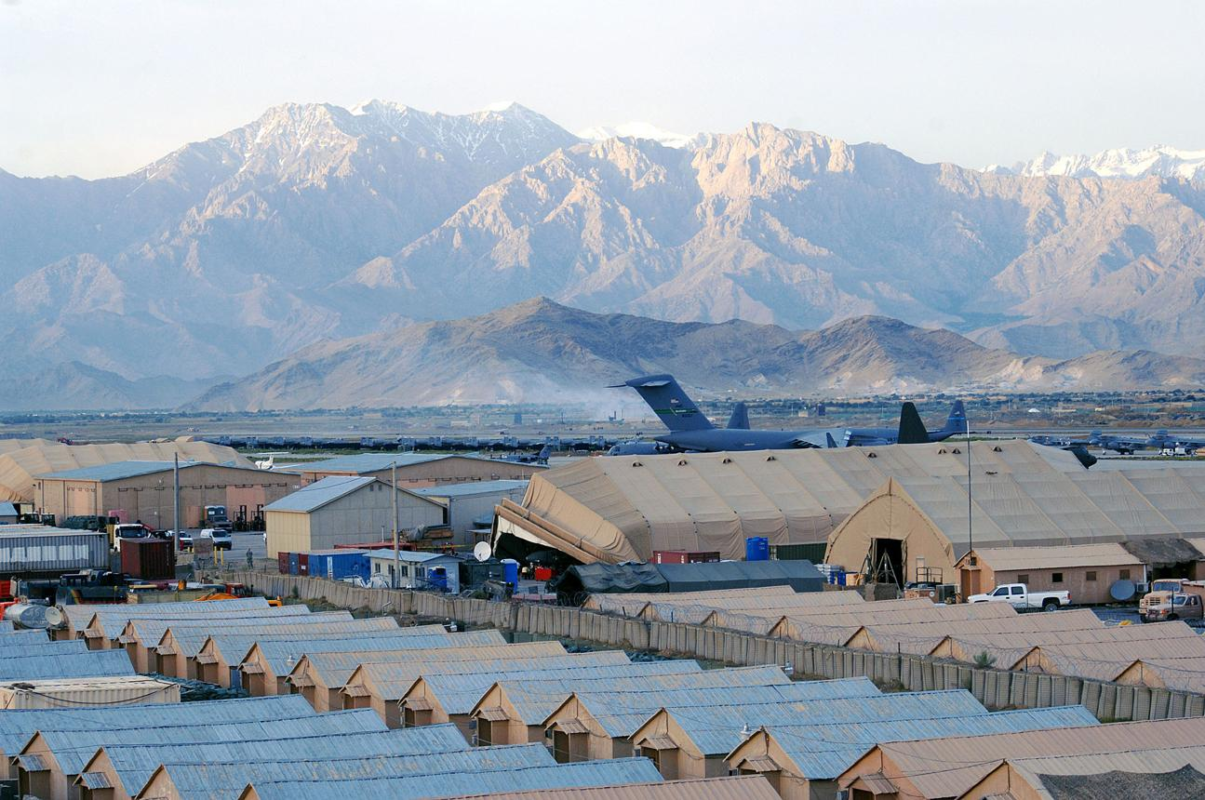
Kandahar was unlike anywhere I had worked before.
Temperatures could reach 120 degrees Fahrenheit in the shade.
The heat was oppressive, and the dust seemed to find its way into everything.
Our living arrangements were basic. We slept in shared quarters, kept our equipment organized, and followed a routine built around the needs of our dogs.
Early mornings meant feeding, walking, cleaning, and training.
The dogs couldn’t simply be sent out to work without preparation. Their health, conditioning, and readiness were essential.
A working dog was not just another piece of equipment.
It was a partner whose performance could determine whether people went home safely.
That responsibility was something I understood from my years in law enforcement.
But Afghanistan brought it to an entirely different level.
Meet Uzo: My Working Partner
One of the most important parts of my early Afghanistan experience was my relationship with Uzo.
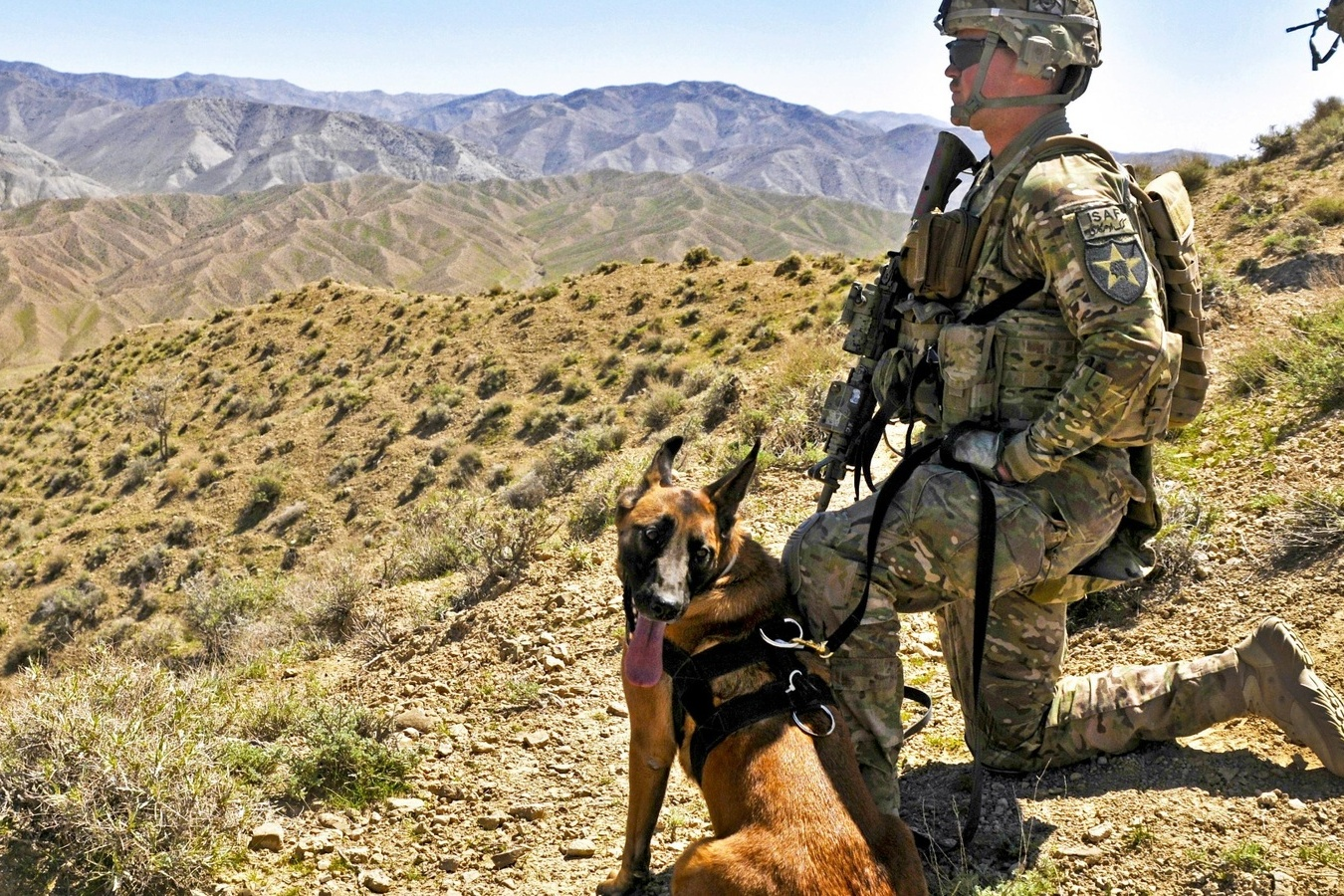
Uzo was an experienced working dog who had previously served with Canadian Special Forces.
He was well trained, dependable, and remarkably comfortable with the demands of the job.
We had already developed a relationship during our training in Texas, and having him beside me in Afghanistan gave me a sense of familiarity in an otherwise unfamiliar place.
At night, when the work was over, I still had to deal with something that had followed me thousands of miles from home.
The memories of my patrol-car accident.
Even in Afghanistan, I experienced nightmares and recurring images of the crash.
There were nights when I woke up frightened and sweating, reliving a moment I desperately wanted to leave behind.
Uzo often slept near me.
On difficult nights, I would sometimes wake to him nudging me with his nose.
I wanted him close.
Looking back, those quiet moments with my dog were just as meaningful as the work we performed during the day.
He gave me companionship, routine, and a sense of responsibility when I badly needed all three.
Why Working Dogs Matter in a War Zone
The dogs working in Afghanistan carried enormous responsibilities.
Some were trained to detect explosives, while others specialized in narcotics detection. Their assignments included searching facilities, vehicles, cargo, and other areas where hidden threats could endanger lives.
A handler had to understand far more than basic commands.
You had to recognize subtle changes in your dog’s behavior.
You needed to understand when your partner had detected something unusual, when additional searching was necessary, and when to trust the animal’s trained instincts.
That trust wasn’t automatic.
It developed through time, training, experience, and constant attention.
As handlers, we depended on our dogs.
And our dogs depended on us.
It was a partnership built around a shared responsibility.
A New Partner Named Jack
My Afghanistan journey eventually brought another important working dog into my life.
His name was Jack.
Jack was a dark-colored German Shepherd trained for narcotics detection.
After changes to my original assignment, I was offered the opportunity to work with Jack and prepare for a new role.
My previous experience as a narcotics K9 officer in Texas made this a natural fit.
Jack and I spent time training together, learning each other’s habits, and preparing for certification.
Even with an experienced dog, a new handler couldn’t assume everything would work perfectly from the beginning.
We had to become a team.
After completing certification, we were assigned to Forward Operating Base Sharana in Afghanistan’s Paktika Province, near the Pakistani border.
Our responsibility involved narcotics detection searches involving vehicles and cargo.
It was demanding work in a dangerous environment, but I had a mission and a working partner I could depend on.
For someone who had spent months wondering whether he still had a purpose in life, that mattered more than I could adequately explain.
Finding Purpose in an Unexpected Place
Before Afghanistan, I had reached one of the lowest points in my life.
The accident had changed my health, my career, and the way I saw myself.
I had spent years as a law enforcement officer. Losing that role left me wondering what came next.
Working with K9 partners in Afghanistan gave me responsibilities that demanded my attention.
I had a reason to get up in the morning.
I had work that needed to be done.
And I had dogs depending on me.
That doesn’t mean Afghanistan was an easy experience or that working in a war zone is a treatment for PTSD.
It was dangerous, physically demanding, and emotionally complicated.
Professional support, my family’s commitment, and the changes I made in my life were all part of my journey.
But for me, working with those dogs helped restore something I thought I had lost.
A sense of purpose.
The Stories That Stayed With Me
Looking back, my experiences in Afghanistan weren’t defined only by the danger, rocket attacks, or military bases.
They were also defined by the dogs.
Their loyalty.
Their intelligence.
Their willingness to work alongside us in difficult conditions.
And the extraordinary relationships that could develop between a handler and a working dog.
Those experiences became a central part of my memoir, A Year Behind the Leash.
The book tells the story of how a devastating accident changed my life, why I accepted an assignment in Afghanistan, and how the working dogs I partnered with became an essential part of my personal journey.
It is a story about PTSD, loss, rebuilding, companionship, and hope.
Most importantly, it is a story about discovering that life can still have meaning after everything you thought defined you has changed.
If you’d like to read the full story, explore A Year Behind the Leash at jontharris.com and on Amazon.
Real Experience. Powerful Stories. Unbreakable Bonds.
— Jon T Harris