

How Veterans Heal After Service and Trauma

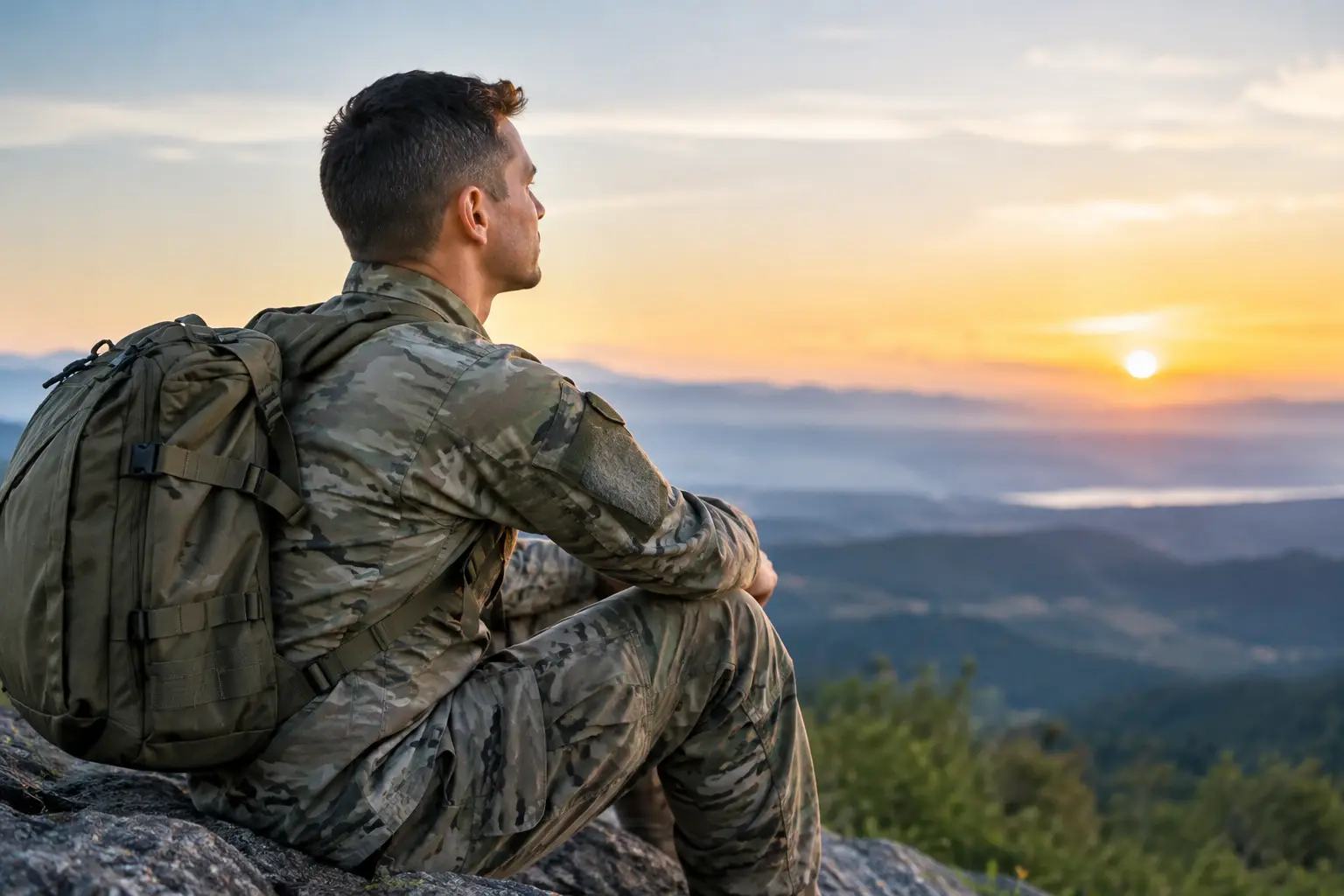
A veteran can look squared away and still be carrying a war nobody else can see. The uniform may be packed away. The deployment photos may be in a drawer. But sleep is still thin, crowds still feel wrong, a slammed door still lands like a threat, and the person who came home may not recognize the life waiting for them.
That is the hard truth behind how veterans heal: healing is not a switch thrown when service ends. It is not a matter of being tough enough, grateful enough, or busy enough. For many veterans, it is a long campaign of learning how to live in a body and mind trained for danger after the danger has changed.
How Veterans Heal Is Not a Straight Line
Military training builds useful instincts. Scan the room. Stay alert. Control the reaction. Carry the weight. Put the mission ahead of comfort. Those instincts can keep people alive in combat zones, on patrol, or during the kind of work most civilians will never see.
At home, the same instincts can turn against the person who relied on them. Hypervigilance becomes exhaustion. Discipline becomes isolation. Anger becomes the only emotion that feels safe to show. Some veterans numb out with alcohol, work, gambling, risk, or a schedule so punishing there is no quiet left in the day.
None of that means a veteran is broken. It means the nervous system learned lessons under pressure and has not yet been given enough safety, support, and repetition to learn a different set. Recovery is less about erasing the past than reducing its control over the present.
That distinction matters. A bad night does not cancel months of progress. A triggered reaction does not mean treatment failed. Healing often looks less like a clean climb and more like gaining ground, losing some, then recognizing the terrain sooner the next time.
The First Fight Is Often Naming What Is Happening
Many service members can describe a vehicle, a weapon system, or a mission in exact detail while struggling to say, “I am not doing well.” There are reasons for that. Military culture prizes competence, reliability, and mission completion. Asking for help can feel like letting down the team, losing control, or admitting that the injuries are real.
But invisible wounds do not get better because they are ignored. Post-traumatic stress, depression, traumatic brain injury, chronic pain, moral injury, grief, and survivor guilt can overlap. They do not always arrive as the movie version of trauma. Sometimes they show up as constant irritability, failed relationships, missed work, headaches, sleep problems, reckless decisions, or the sense that nothing matters anymore.
Naming the problem is not a surrender. It is reconnaissance. A veteran who can say, “I cannot sleep,” “I am drinking too much,” or “I do not trust myself when I get angry,” has identified an enemy position. That creates options.
A primary care clinician, a Veterans Affairs provider, a trauma-informed therapist, or a trusted peer can help sort out what is happening. The right fit matters. One bad appointment should not become evidence that all help is useless. Veterans should expect competence, direct communication, and a provider who understands that service experiences can be complicated rather than neat.
Treatment Works Best When It Is Built for Real Life
There is no single path that works for every veteran. Some people benefit from trauma-focused therapies that help them process memories without being ruled by them. Others need medication for depression, anxiety, sleep, or pain. Many need both, especially when poor sleep and chronic stress are feeding each other.
Treatment is not limited to a therapist’s office. It may include physical rehabilitation, brain-injury assessment, substance-use support, couples counseling, anger management, or treatment for chronic pain. A veteran who has spent years treating sleep deprivation with alcohol may need a different plan than one dealing primarily with grief after losing a teammate.
The trade-off is that real treatment asks for participation. It can stir up memories before it brings relief. It may require changing routines, limiting alcohol, facing damaged relationships, or making room in a schedule that has been used as armor. That work is hard. It is still better than letting trauma make every decision from the shadows.
If a veteran is in immediate danger of self-harm or harming someone else, the mission changes. Call or text 988 and press 1 for the Veterans Crisis Line, contact emergency services, or get to the nearest emergency department. Staying alive is not weakness. It is the first requirement for every next step.
Connection Is Not the Same as Being Around People
Isolation can feel safer than connection. There are no questions to answer, no chance of being misunderstood, no need to explain why a fireworks display or a crowded restaurant can put the body on edge. But isolation gives trauma too much unchallenged territory.
Veterans often heal in the presence of people who do not require a performance. That might be a spouse who learns to ask better questions, a former teammate who can sit in silence, a veterans group with standards rather than slogans, or a clinician who does not flinch at the truth.
The key is not forcing every veteran to tell every story. Privacy is legitimate. Trust is earned. But carrying everything alone is different from choosing what to share and with whom. One honest conversation can be more useful than a room full of shallow encouragement.
Families also need room to learn. The veteran may have come home changed, but so did everyone who waited. A partner can be exhausted, frightened, and deeply loyal all at once. Children may read withdrawal as rejection. Honest conversations, boundaries, and family counseling can prevent a trauma injury from becoming a family legacy.
Purpose Gives Recovery Somewhere to Go
Service provides a clear chain of command, a mission, and a tribe. Civilian life often offers choices without direction. For some veterans, that freedom feels less like opportunity and more like standing in open country without a map.
Purpose does not have to mean saving the world or finding a job that recreates the old adrenaline. It can begin smaller: finishing a degree, training a dog, coaching a team, building a trade, showing up for a child, volunteering, or being the person another veteran calls at two in the morning.
The warning is simple: purpose should support recovery, not replace it. Throwing everything into work can look like discipline while quietly becoming another form of avoidance. A meaningful life has room for rest, relationships, treatment, and joy that does not need to be earned through suffering.
For some, working with dogs creates that room. A dog does not demand a polished explanation of trauma. It requires routine, presence, exercise, and trust. That does not make a dog a substitute for clinical care, but it can be a powerful companion in rebuilding structure and connection.
Resilience Means Adaptation, Not Silence
Veterans are often praised for resilience. The word is useful only when it means more than enduring pain without complaint. Real resilience is adaptive. It is recognizing that the tactics that carried someone through a deployment may not be the tactics that carry them through a marriage, a classroom, a courtroom, or a quiet night at home.
That adaptation takes courage. It means asking for help before the marriage collapses. It means telling a doctor the truth about drinking. It means leaving a room before anger takes over. It means accepting that a new identity may grow alongside the old one instead of replacing it.
A veteran does not have to become a different person to heal. The goal is not to erase the operator, the cop, the medic, the soldier, or the sailor. The goal is to let that person live with more choice, more peace, and more room for the people and purposes that still matter.
The next step does not need to be dramatic. It can be one call, one appointment, one honest sentence, or one decision to stop carrying the whole load alone. That is how ground is taken back: not all at once, but deliberately.