

What K9 Recovery Stories Say About Healing

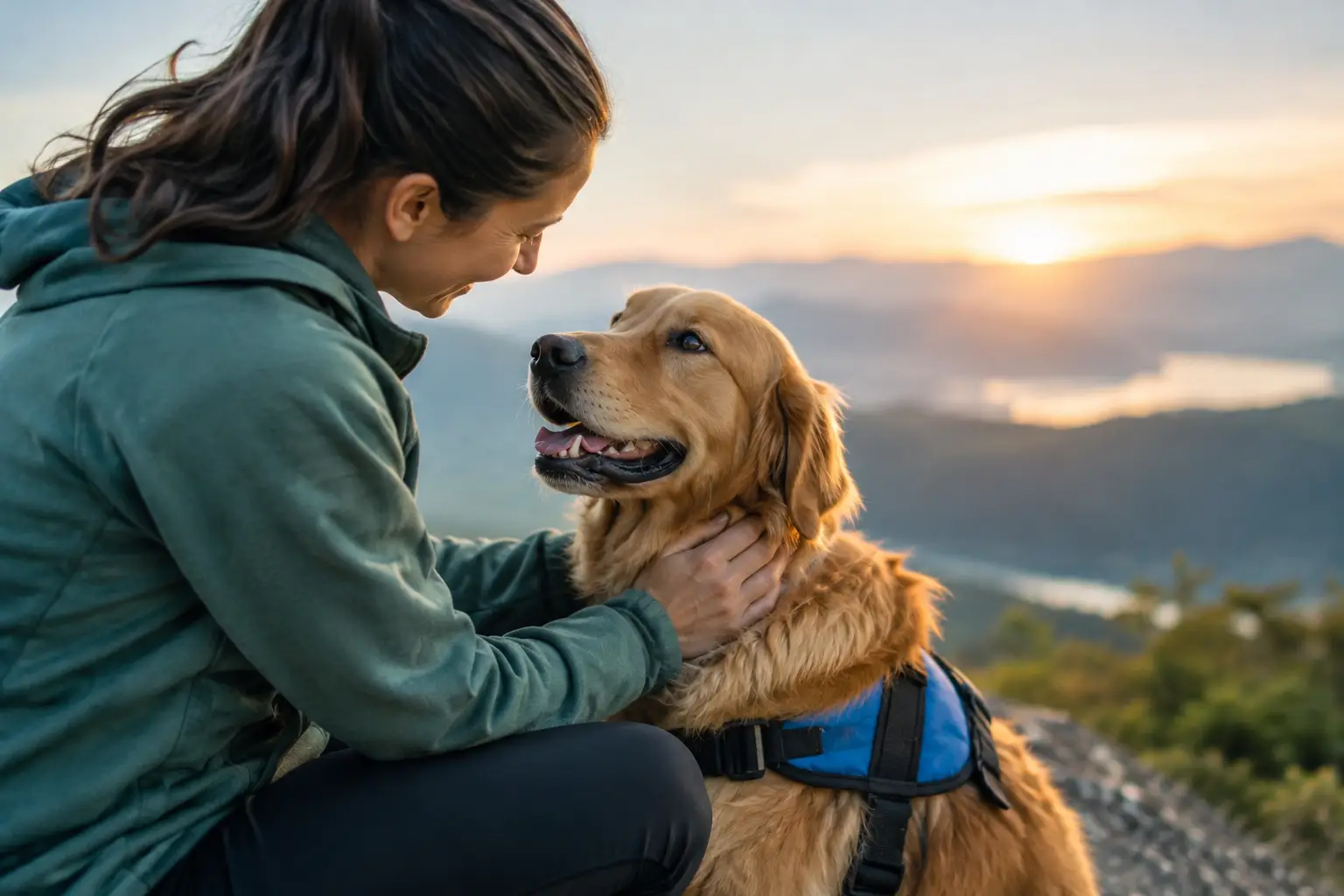
A working dog does not understand a diagnosis, a retirement packet, or why the truck no longer turns toward the kennel before dawn. He understands routine, scent, tone of voice, and the people he has learned to protect. That is why K9 recovery stories hit with such force. They are not simply accounts of brave dogs surviving hard events. They are about the people beside them, trying to make sense of injury, trauma, altered identity, and the long, unglamorous work of moving forward.
For handlers, veterans, first responders, and families who have lived close to service, that truth needs no translation. Recovery is rarely a straight line. Neither is the bond between a dog and the person who trusted him when the stakes were high.
K9 Recovery Stories Begin After the Action
The public sees the deployment, the search, the apprehension, the explosive detection sweep, or the homecoming photo. Those moments matter. They are also the easy part to understand from a distance. The harder story begins after the injury, after the last shift, or after a handler realizes the dog who once read every movement with calm precision is now struggling with pain, fear, age, or the effects of a life spent working.
A K9 may recover from surgery and still need months of careful conditioning. A dog returning from a traumatic event may become more reactive, more guarded, or reluctant to enter situations that once felt routine. A retired dog may be physically sound but confused by the loss of work that gave his days structure.
The handler faces his own version of the same problem. Many professionals build identity around competence. You solve the problem, protect your people, finish the shift, and carry on. When a partner is hurt or no longer able to work, there is grief in that change. It may not look like the grief civilians expect. It can show up as irritability, guilt, sleeplessness, or a stubborn refusal to admit how much the loss matters.
That is not weakness. It is attachment shaped by responsibility.
The Bond Is Operational, Not Sentimental
People who have never worked beside a dog sometimes reduce the relationship to affection. Affection is there, of course. But it does not explain the whole thing. A working K9 is a partner with a job, a capability, and a level of trust built one repetition at a time.
The handler learns the difference between a dog that is distracted and a dog that has caught odor. He recognizes the change in breathing, posture, ear position, and forward drive. The dog learns the handler’s cadence, tension, commands, and expectations. In a patrol car, on a perimeter, through a dark building, or around a crowd, that shared understanding can be the difference between control and chaos.
When that partnership changes, the handler does not just lose a companion. He loses a teammate, a routine, and sometimes the part of himself that felt most useful. That is why honest recovery stories should make room for both sides of the leash.
There is a trade-off in the way these stories are told. Make them too polished, and they become recruitment posters. Make them relentlessly bleak, and they miss the stubborn humor, loyalty, and small victories that help people endure. The truth usually sits in the middle. A dog may need help climbing into a vehicle but still light up at the sound of a familiar command. A handler may be carrying invisible wounds while doing his best to give an aging partner a good final chapter.
Recovery Is Work, Not a Montage
Real recovery is repetitive. It involves veterinary appointments, medication schedules, controlled exercise, behavioral observation, modified environments, and patience when progress stalls. It may involve a veterinarian, a certified rehabilitation professional, a trainer, and a family willing to adjust the household around the dog’s needs.
For the human partner, recovery can mean therapy, peer support, medical care, better sleep habits, or finally speaking plainly about what happened. It can mean accepting that pain does not disappear because someone else had it worse. It can mean learning that service does not end when a uniform comes off or a dog leaves the kennel.
None of this is clean. A dog recovering from injury may have a good week, then overdo it and limp the next morning. A veteran or officer may feel steady for months, then get knocked sideways by a smell, a sound, an anniversary, or a news report. Setbacks are not proof that recovery failed. They are part of recovery.
That distinction matters because people trained to perform under pressure often judge themselves harshly. They expect an immediate fix from bodies and minds that have spent years absorbing stress. Working dogs are often given more grace. Their handlers should extend some of that same discipline and patience to themselves.
Retirement Can Be a Mission Change
Retirement is often portrayed as a happy ending: the dog gets a couch, a yard, and a family. Sometimes it is exactly that. Sometimes it is harder. A high-drive dog may not know what to do with quiet. An aging dog may need extensive medical support. A handler may be leaving a career, dealing with injury, or adjusting to life outside a unit where every person understood the job without explanation.
The goal is not to pretend the old mission never existed. The goal is to build a new one.
For the dog, that may mean shorter walks, scent games, calm structure, safe exercise, and a home life designed around comfort rather than performance. For the handler, it may mean finding a way to remain useful without reliving the worst days of service. Mentoring younger handlers, supporting other veterans, coaching, writing, or simply being more present at home can all become forms of continued service.
A new mission does not erase the old one. It honors it by refusing to let the past be the only thing that defines the future.
Why These Stories Matter Beyond the K9 World
K9 recovery stories reach people who may never have worn a badge, deployed overseas, or handled a working dog. The reason is simple: they make invisible wounds visible without turning them into spectacle.
A dog cannot hide behind professional language. If he is hurting, anxious, exhausted, or confused, the signs show. That honesty can give people permission to recognize similar changes in themselves or someone they love. The dog becomes a bridge to a harder conversation: What happens to a protector when protection has cost him something?
That question sits at the center of many service-connected lives. It is present in military families, emergency services, law enforcement, security work, and courtrooms where the consequences of violence arrive long after the incident report is filed. It also belongs to caregivers, spouses, and children who learn to read the room as carefully as any handler reads a dog.
In A Year Behind the Leash, the relationship between a war dog and the person responsible for him carries that larger truth. Loyalty is not a cure for trauma. It is not a substitute for treatment or honest conversation. But loyalty can keep a person connected long enough to take the next right step.
Tell the Whole Story
The strongest accounts of recovery do not demand applause. They tell the truth about pain, responsibility, fear, dark humor, and the ordinary acts of care that keep a dog or a person moving. They understand that courage is not always a charge through a doorway. Sometimes it is making the appointment. Sometimes it is asking for help. Sometimes it is sitting quietly beside an old partner who no longer needs commands, only presence.
If a K9 recovery story leaves anything behind, let it be this: healing does not require you to become who you were before. It asks you to carry what happened with honesty, care for those still beside you, and keep building a life worthy of the service already given.